

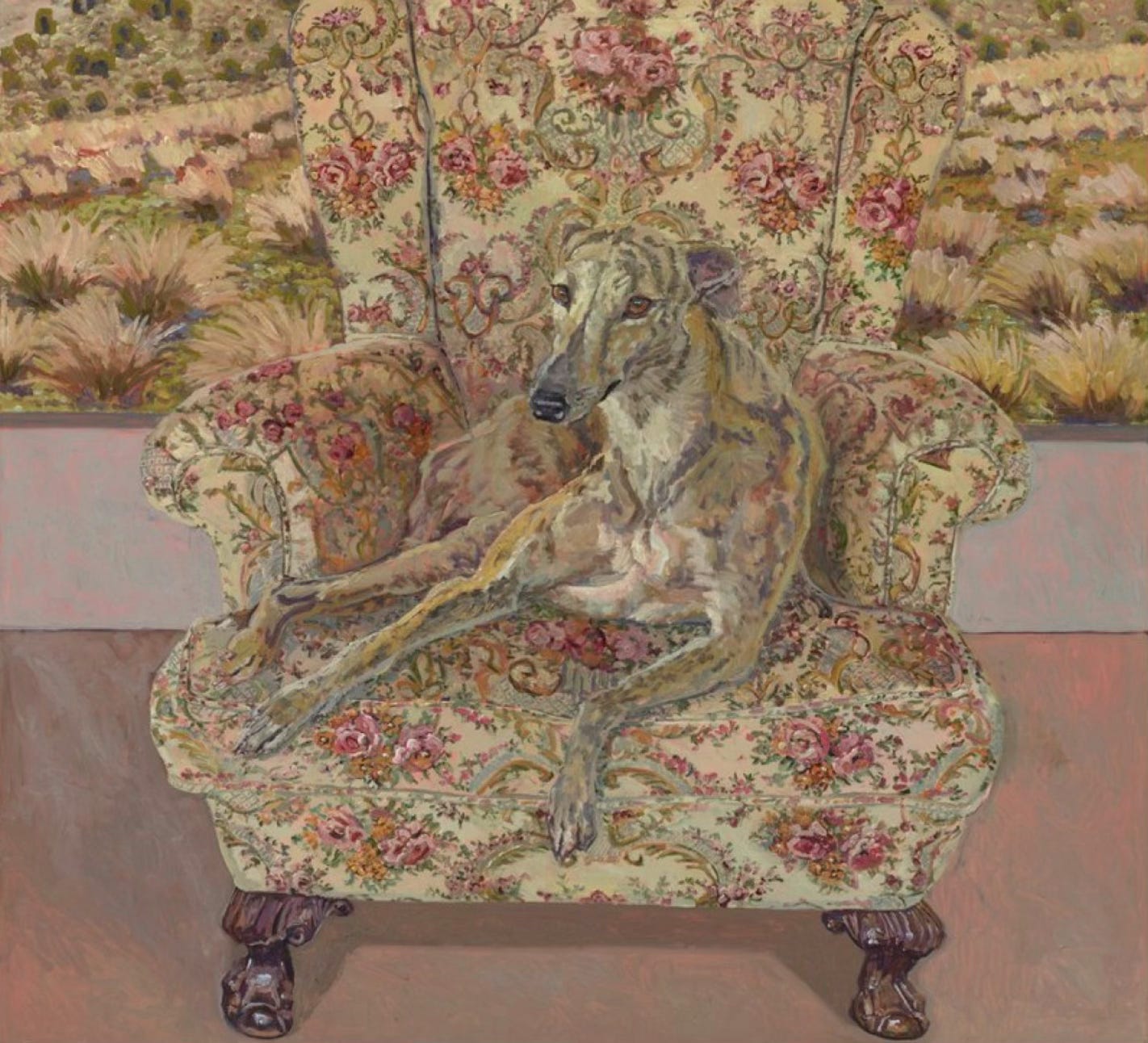
Although the Archibald Prize grabs all the headlines, the Wynne Prize deserves our respect as Australia’s longest running art competition. The Archibald was first awarded in 1921, but the Wynne launched in 1897, thanks to a bequest of £1,000 from Irish-born businessman and pastoralist, Richard Wynne (c.1822-97). It turned out to be a good investment as the donor’s name would otherwise have vanished into the mists of history.
Wynne never saw the prize that bears his name, but he must have had a fair idea of the kind of work it would attract. The award is for “the best landscape painting of Australian scenery in oils or watercolours or for the best example of figure sculpture by Australian artists completed during the preceding 12 months.”
Over the years many great paintings have won the Prize, including iconic works such as G.W. Lambert’s Across the Black Soil Plains (1899) and Hans Heysen’s Mystic Morn (1904). Looking over the list of winners, it’s a Who’s Who of important Australian artists, from Russell Drysdale and William Dobell to Fred Williams and William Robinson. Although the Prize is hypothetically awarded to a landscape painting or a “figure sculpture”, it’s rare for a sculptor to emerge as the winner.
The first signs that the Wynne was losing its way appeared in the 1990s, when abstract paintings that merely suggested landscape, began to feature prominently. The first Aboriginal paintings were equally controversial, partly because almost every one could be classed as a depiction of country while departing radically from the conventions of western landscape.