

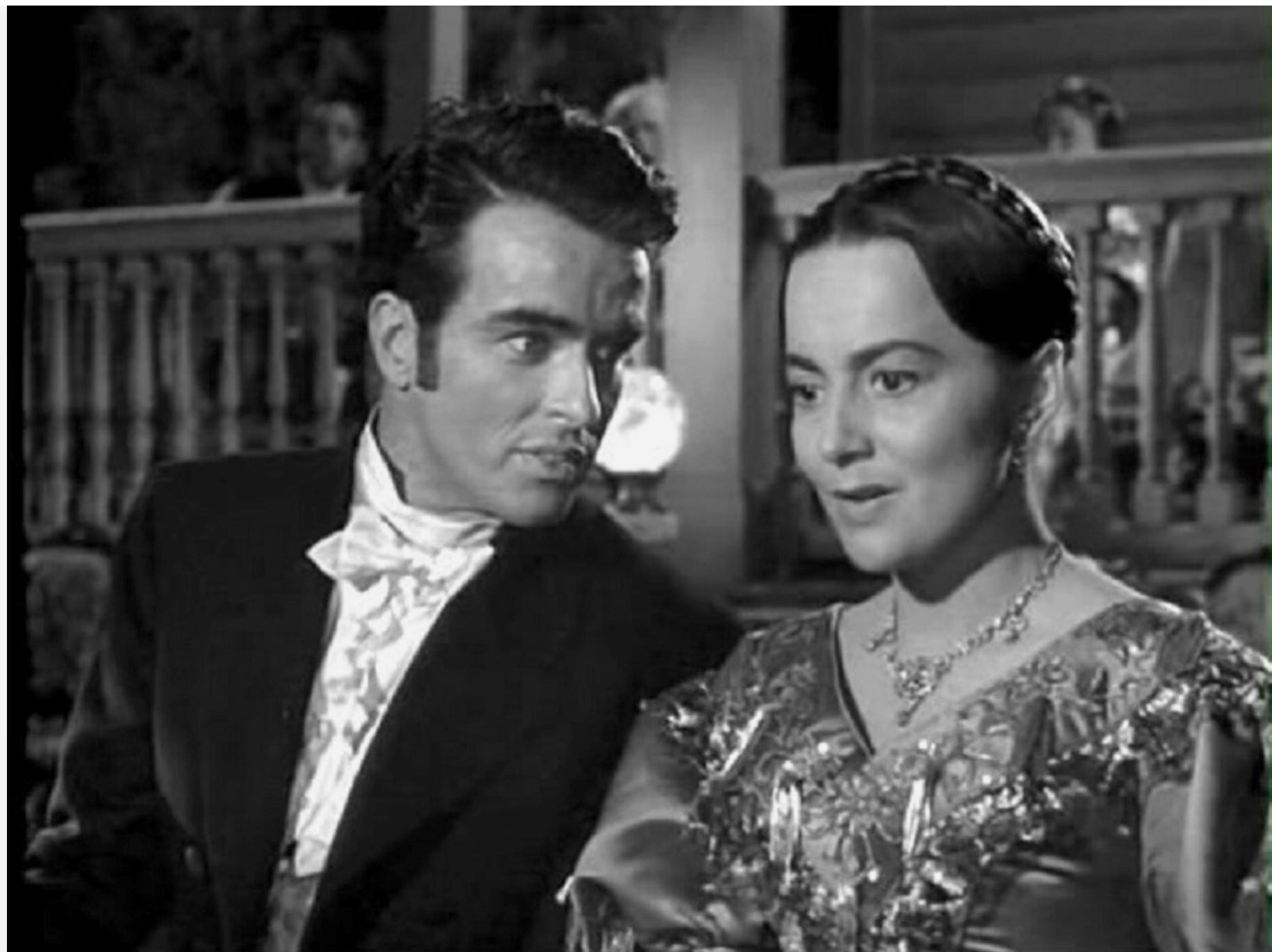
Cinema Reborn is a unique Australian film festival that screens newly restored prints of classic films. Like a lot of film buffs I’ve been volunteering my services every year, introducing a movie. This time it was, William Wyler’s The Heiress. In acknowledging the cinema as an art form for all time, not simply a venue for new releases, I’m running that address as this week’s film column.
•••••••••
Reading about the golden years of Hollywood might be a good preparation for the next installment of Jurassic Park. The heroes of this era - legendary directors such as Frank Capra, Alfred Hitchcock, Orson Welles and William Wyler - had to routinely defend their artistic turf against the rapacious assaults of apex predators such as Sam Goldwyn, David Selznick and Harry Cohn - the big studio executives who controlled the purse strings and held the contracts. These moguls were perpetually at war with star directors who had very precise ideas about what they wanted from a film.
Wyler, often singled out as Hollywood’s most “celebrated” or “acclaimed” director, had to fight every inch of the way with the studio bosses when making many of his best-known films. If it wasn’t the studios, it was the Hays Code, in force from 1934-1968, which demanded that movies reflect a puritanical type of “American values”.
With The Heiress of 1949, Wyler enjoyed a lttle more leeway than usual. His previous movie, The Best Years of Our Lives, about a group of former servicemen returning to civilian life after the war, had been a smash hit, but it had finally worn out his patience with Sam Goldwyn. Tempted by the promise of creative freedom he had thrown in his lot with Frank Capra and George Stevens in an independent production company called Liberty Pictures. It was a venture that died almost before it began, with the box office failure of Capra’s It’s a Wonderful Life convincing its director that going it alone was a recipe for financial disaster.