

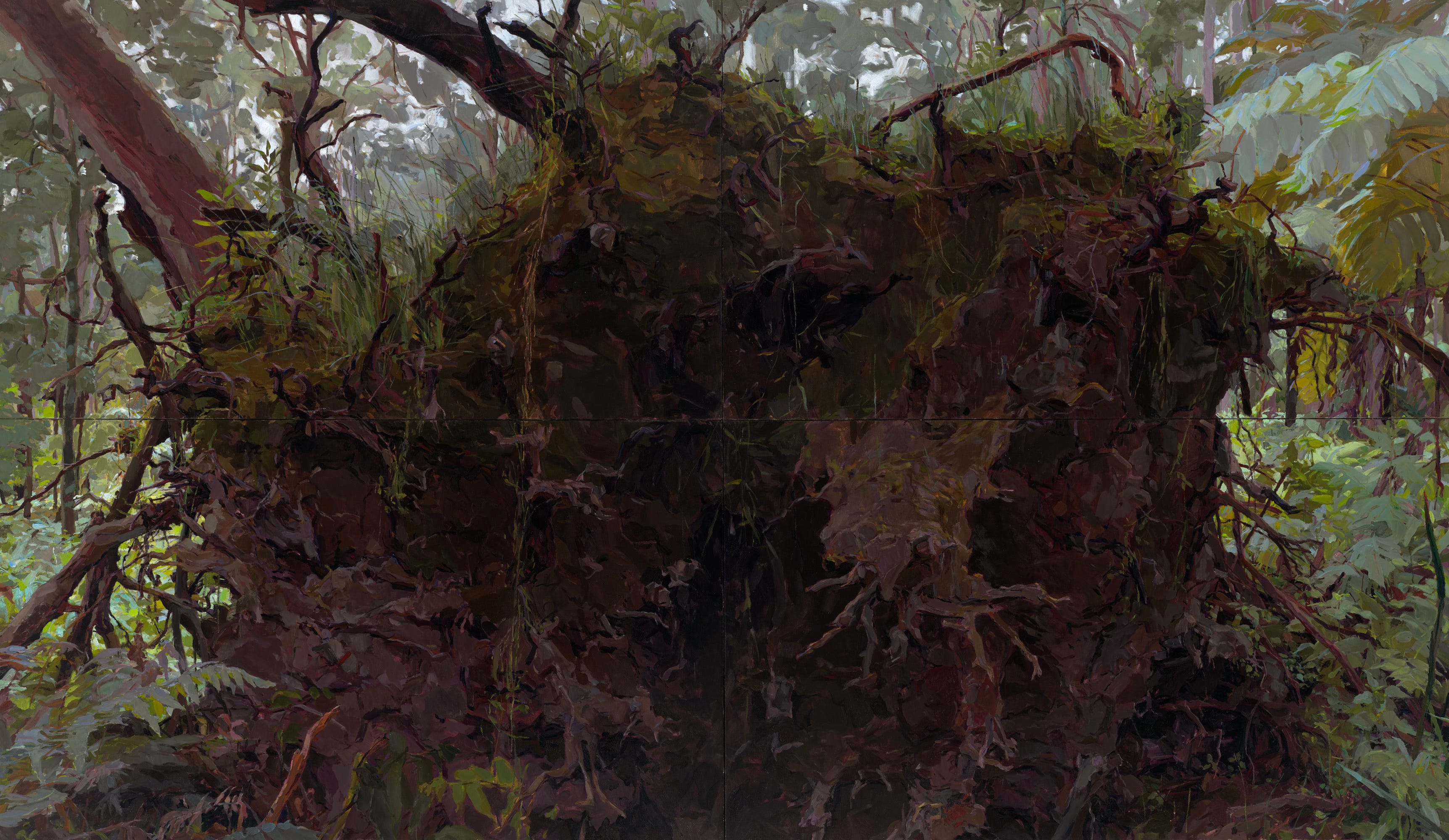
One question every public art gallery should ask itself on a regular basis is: “What do audiences want?” Too often it seems curators and gallery directors are simply showing work they personally admire or consider ‘important’. If the public doesn’t respond with enthusiasm it only proves that further education is required to eliminate the naïve idea that one might go to a gallery for pleasure rather than moral improvement.
It’s a source of frustration that the public clings stubbornly to its preference for quaint, old-fashioned beauty, appreciating artists with the skill and visual intelligence to transport us out of the everyday mire into an ideal world in which we are at one with nature. This should be no surprise – such feelings are hard-wired into our brains. To prefer art that sends the right ‘messages’ requires a conscious effort to go against our instincts.
The climate crisis may have brought a new political urgency to our relationship with the environment, but I suspect the main reason we enjoy landscape painting is that it appeals to us on a deep, psychological level. A great landscape painter taps into a primal fascination with the natural world that harks back to prehistoric times. Such works make us feel part of something larger than ourselves, something that soothes our everyday anxieties.